

Intro + Clear Definition
Website speed directly affects how travelers experience, trust, and interact with tourism and hospitality websites—especially when browsing on mobile data or hotel Wi-Fi. A fast-loading website ensures travelers can quickly view rooms, tours, menus, and booking details without frustration or drop-offs.
For destinations like Antigua, where visitors often rely on hotel Wi-Fi or limited mobile data, slow websites can cause immediate exits and lost bookings. Whether it’s a hotel, resort, tour operator, or restaurant, optimizing website speed is essential for conversions, SEO visibility, and delivering a seamless digital guest experience.
Global Context
Globally, travelers increasingly research destinations from mobile devices while on the move—using airport Wi-Fi, hotel networks, or roaming data. In island destinations such as Antigua, Maldives, Aruba, and the Bahamas, website speed has become a critical factor in tourism website performance and booking decisions.
Key Takeaway
Fast-loading websites help travel and hotel businesses capture traveler attention, improve bookings, and deliver a better digital guest experience—especially on mobile data and hotel Wi-Fi.

Why Does Website Speed Matter for Travelers Browsing on Mobile Data?
Website speed matters because travelers often browse on slower mobile networks, and delays of even a few seconds can cause them to abandon a site.
Key Reasons Speed Impacts Travelers
-
- Many travelers rely on roaming or limited mobile data plans
-
- Slow-loading pages increase bounce rates
-
- Heavy images consume data quickly
-
- Delays reduce trust in the brand
-
- Faster sites feel more professional and reliable
-
- Google prioritizes fast sites in mobile search rankings
Travelers expect instant access to information—especially when planning or booking on the go.
How Fast Should a Travel Website Load?
For optimal performance:
-
- Under 3 seconds on mobile
-
- Minimal page weight
-
- Optimized images and scripts
-
- Lightweight design frameworks
- Lightweight design frameworks

How Does Hotel Wi-Fi Affect Website Performance?
Hotel Wi-Fi networks are often shared, inconsistent, and slower during peak usage—making website optimization essential.
Challenges of Hotel Wi-Fi Browsing
-
- Shared bandwidth among guests
-
- Variable signal strength
-
- Older router infrastructure
-
- Peak congestion during evenings
-
- Slower speeds in guest rooms
Websites that aren’t optimized for these conditions risk losing potential guests before they even view rooms or amenities.
What Happens When Websites Load Slowly on Hotel Wi-Fi?
Slow loading leads to:
-
- Increased page abandonment
-
- Lower booking conversions
-
- Poor user experience
-
- Negative brand perception
- Negative brand perception
How Website Speed Impacts Hotel & Tourism Bookings
Faster websites convert more visitors into bookings by reducing friction and improving user experience.
Speed-Related Conversion Benefits
-
- Faster access to room rates and availability
-
- Smooth booking and payment flow
-
- Better mobile usability
-
- Higher trust in professionalism
-
- Improved SEO rankings
-
- Increased direct bookings
This is a key component of Best hotel web design Antigua and tourism-focused UX strategy.
Does Website Speed Affect SEO for Tourism Businesses?
Yes—significantly.
-
- Google uses Core Web Vitals as ranking factors
-
- Mobile-first indexing favors fast sites
-
- Speed improves crawl efficiency
-
- Faster sites get better engagement metrics
How Can Travel Websites Be Optimized for Mobile Data Users?
Optimizing travel websites for mobile data means reducing load size while maintaining clarity and usability.
Mobile Optimization Checklist
-
- Compress and lazy-load images
-
- Use lightweight fonts and icons
-
- Minimize scripts and plugins
-
- Optimize CSS and JavaScript
-
- Implement caching and CDN usage
-
- Avoid large video files on mobile
These steps directly support Optimizing travel websites for mobile data and improve accessibility for international visitors.
Should Travel Websites Use AMP or Progressive Web Apps?
They can help, but aren’t always required.
-
- AMP improves speed for content pages
-
- PWAs improve repeat engagement
-
- Core speed optimization matters more
- Core speed optimization matters more
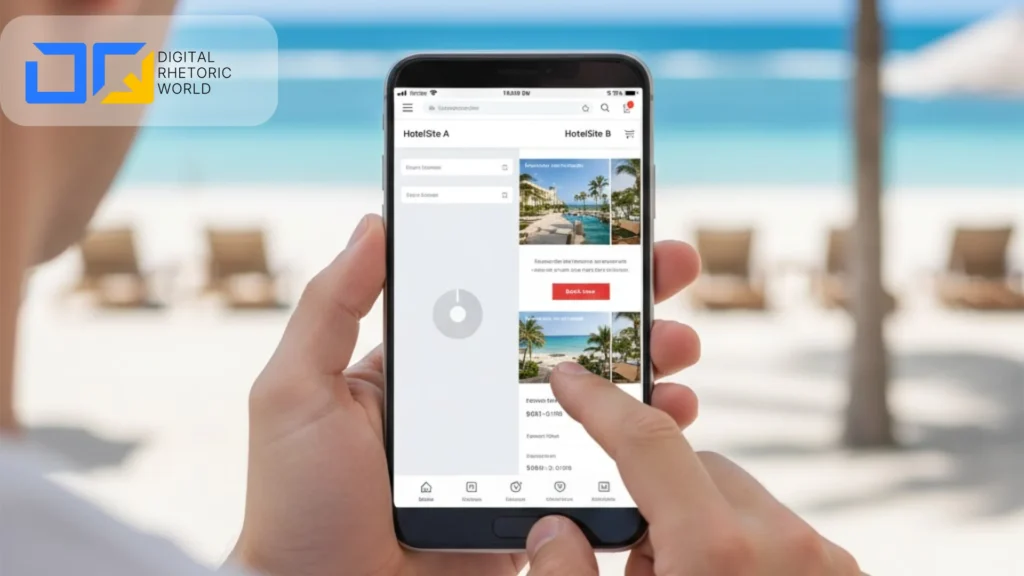
How Website Speed Enhances Guest Digital Experience in Antigua
Website speed is a core component of enhancing the overall guest digital experience in Antigua.
Why Digital Experience Matters
-
- First impression happens online
-
- Travelers expect frictionless browsing
-
- Fast sites reflect quality service
-
- Digital experience influences booking trust
-
- Positive UX encourages repeat visits
Speed supports Enhancing guest digital experience Antigua by ensuring guests feel confident and comfortable engaging online.
What Pages Must Load Fastest?
Priority pages include:
-
- Home page
-
- Rooms or accommodations page
-
- Booking engine
-
- Contact and location page
-
- Restaurant menus and tour listings
Local Insights + Antigua Examples
In Antigua, travelers often browse tourism websites while connected to hotel Wi-Fi, beach cafés, or mobile networks with fluctuating speeds. Searches such as “hotels in Antigua,” “things to do in Antigua,” or “best resorts near Dickenson Bay” frequently happen after travelers arrive on the island.
Hotels that invest in fast-loading websites see higher engagement because guests can easily check amenities, room availability, and dining options without delays. Tour operators benefit when booking pages load instantly, especially for last-minute excursion planning. Restaurants also gain from speed-optimized menus that load quickly on mobile devices.
Antigua tourism website SEO services increasingly prioritize performance optimization alongside content and keywords. Businesses that reduce image sizes, streamline layouts, and remove unnecessary scripts consistently outperform competitors with slow, cluttered websites. In a destination where internet quality varies, speed becomes a competitive advantage.
 Final Summary Box
Website speed plays a critical role in how travelers browse, trust, and book tourism businesses. For hotels and travel brands in Antigua, optimizing websites for mobile data and hotel Wi-Fi improves SEO, conversions, and guest satisfaction—making speed a vital part of modern tourism website strategy.
Micro-CTA
Want to improve your tourism website’s speed and performance? Digital Rhetoric World helps travel brands create fast, conversion-focused websites built for real travelers.